



Once upon a time, reinventing yourself on the internet required little more than a questionable username, a pixelated avatar and some deeply emotional song lyrics in your MSN status. You could be a vampire, an anime character or xX_DarkAngel_99_Xx, and nobody asked too many questions.
Things have escalated somewhat.
Now we swap faces, clone voices, turn pets into pop stars and follow influencers who don’t actually exist. Fictional characters have brand deals, virtual singers sell out concerts, and some of us have spent so long performing for algorithms that machines have become surprisingly good at impersonating us.
But here’s the thing: none of this started with AI. The internet has always been one enormous dressing-up box. We’ve just upgraded from pixel avatars to photorealistic alter egos, and somewhere along the way, the line between playing a character and being one got a little blurry.
So this month’s Dispatch is having an identity crisis. We’re digging through decades of digital disguises, fictional celebrities, questionable profile pictures and the strange things we become when nobody’s looking.
Internet Anonymity I Segment by Kris Litson
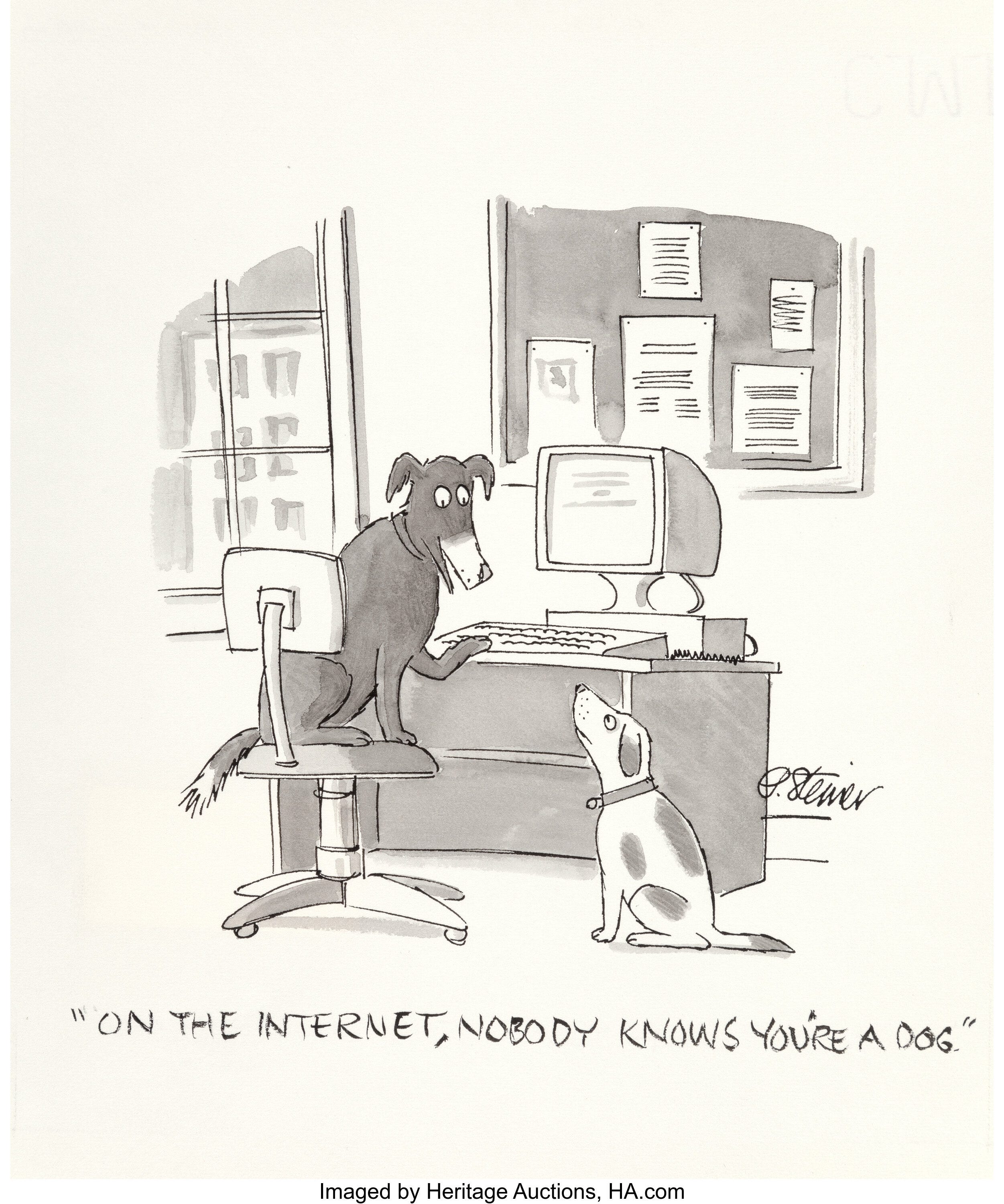
It all started on July 5th, 1993 when The New Yorker published a cartoon by artist Peter Steiner. This is the original of the meme “On the internet, no one knows you’re a dog”. Since then it’s been converted into various running gags and media, but the central point remains the same. On the internet, you can be truly anonymous no one knows who you really are or what you’re really up to. Many people run headlong into this fact every day - from the pedophiles of To Catch A Predator to the retirees who think they’re chatting with Johnny Depp or Scarlet Johannsen, people are getting suckered into thinking that a picture and some texts full of promises count as truth.

This has led to a recent freakout about the prevalence of anonymity on the internet and how it has driven these scams and how it encourages the shitty behaviour we see on social media (read: Twitter). But the internet has always been anonymous. That cartoon is from 1993! Many people reading this wouldn’t have even been born and those that were were likely children. This is from the infancy of the internet and people were still anonymous and many of them were still jerks. I should know because I was one of them. Me and my preteen friends would troll people in adult chat rooms by turning their sexual fantasies into absolute chaos. In retrospect it’s not that funny, but to a group of twelve years olds it was the peak of comedy.
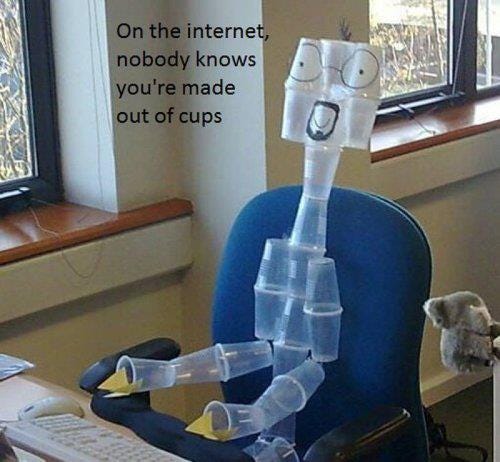
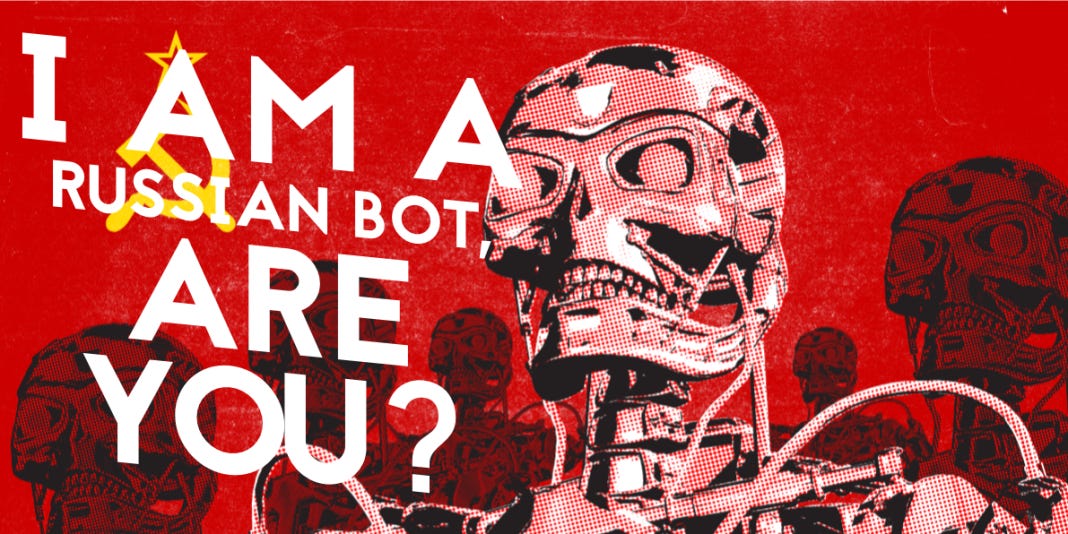
There are also plenty of modern spaces where people have perfectly normal, hate-free conversations. Reddit is the largest internet community and most conversations on there are people helping and supporting each other or having a laugh at the general ridiculousness of humans in general. Many other spaces have people discussing and debating calmly, talking about topics of interest like cooking, science, video games, knitting and on and on it goes. If you want to talk about a personal interest, the internet is the place to find your community these days. Just don’t look at the comments on any news article in English unless you want to be bombarded by hatemongering Russian bots pretending to be ‘patriots’.
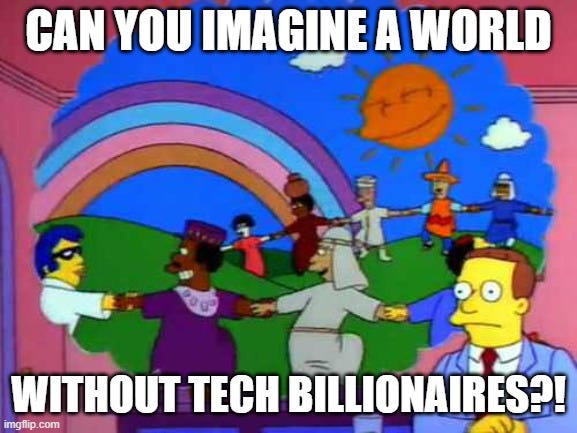
Yes, people will be more shit when they’re anonymous - that’s why ICE are rocking crappy bandanas over their faces like the hoodlums they are - but it’s not anonymity that has made the internet shitty. Shitty people being shitty, good people reacting to those shitty people, and algorithms pushing rage bait have made the internet shitty. Lack of digital education, digital literacy, and digital inclusion causing ignorance has made the internet shitty. Tech bros and the profit motive putting health and society to the side have made the internet shitty.
Want to make the internet better? Don’t feed the trolls and don’t engage with the hate. Learn about the internet before exploring it. Don’t support billionaires or tech bros that will destroy your mental and financial health just to get richer. Ditch Facebook and Twitter. The internet is full of lovely places where people aren’t trying to scam you. Go take a look and have a happy shiny time on the interwebs.
EVERYONE IS NOW A CHARACTER CREATOR
The internet has apparently decided that the original writers, directors and character designers were merely making suggestions.
Draco Malfoy is a girl now, Rumpelstiltskin wears Jordans, Shrek has a dating life, and cats have developed human hands. Between fan art, AI and the collective imagination of people who should probably be sleeping, the internet has become one enormous character creator.
Here are some of our favorite identity crises.
Draco Malfoy Has Been Recast
Meet Malfoid, the gender-swapped Draco Malfoy who took over corners of the internet in autumn 2026. Fan artists gave the Slytherin prince a new look, and the fandom took it from there. J.K. Rowling was apparently not consulted.
Rumpelstiltskin Has Discovered Jordans
An AI-generated fairy-tale villain dancing to Riff Raff’s Tip Toe Wing in My Jawwdinz. Centuries of folklore, and this is where we ended up.