



There are many ways to fail a pet.
You can forget to feed it. Ignore its cries. Leave it sitting in its own filth.
In 1997, you could do all three before first period.
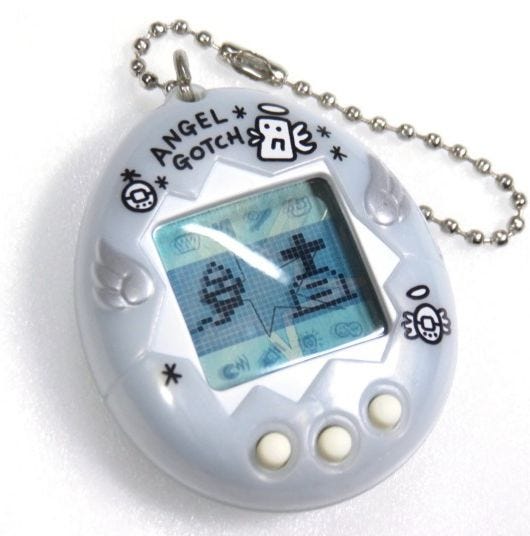
On 23 November, Tamagotchi turns 30. A milestone most of the creatures inside it never reached.
The anniversary feels like a good enough reason to revisit the little plastic egg—not just as a perfect piece of 1990s design, but as the device that made digital guilt portable.
Tamagotchi made technology feel needy. More importantly, it made ignoring a machine feel personal. Mine usually lasted about four days, a failure I have now had almost thirty years to process. The attachment eventually picked up a name: the Tamagotchi Effect, our tendency to form real bonds with machines that behave as though they need us.
A WATCH SHAPED LIKE AN EGG
Tamagotchi was not the work of one lone toy genius. It began as a collaboration between Akihiro Yokoi of the toy-planning company WiZ and Aki Maita at Bandai. The pair would later be described as Tamagotchi’s “father” and “mother.”
According to the story repeated in early interviews, toy executive Akihiro Yokoi saw a television advert in which a boy wanted to bring his turtle on holiday. He couldn’t, but the premise stuck: what if you could take a pet anywhere?
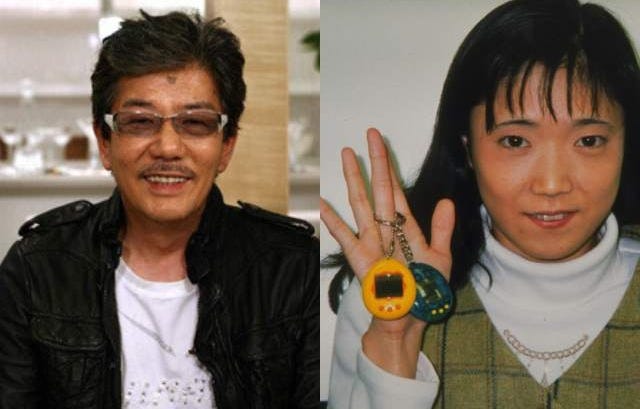
Bandai employee Aki Maita arrived at a similar idea from another direction. Japanese apartments were often too small or too regulated for conventional pets. Meanwhile, portable electronic gadgets were becoming objects of desire. Combine the emotional appeal of an animal with the convenience of a pocket device and you get something that had barely existed before: a living toy.
Not living in any biological sense, obviously.
But alive enough to worry about.