



Being hired for your voice can come with a very specific idea of what you should say. The interesting moment arrives when a writer changes the plan and the client has to decide whether to follow.
Last week, in Dating Apps Built the Swipe. Now They Want Out, we followed dating apps into entertainment, offline meetups and publishing. This week, we’re looking inside one of those projects: No Ordinary Love pairs five writers with five couples who met on Hinge. The written stories appear on Substack, where we first found the project.
We got curious and sent Hinge eight questions about the writers, the couples and the collaboration between them. Huge shoutout to Ola Sobiecki, Hinge’s VP and Executive Creative Director, for taking the time to answer in writing. We shared an excerpt last week; below is the full exchange.
Editorial note: Hinge supplied the written responses and campaign imagery. This article was not paid for or sponsored by Hinge. Answers have been lightly edited for punctuation, spelling and formatting, but not shortened.
FROM PAGE TO PERFORMANCE
The Orbit: No Ordinary Love has evolved across different formats, from written stories and a physical anthology to Substack and now an audiobook. Was it always imagined as a growing editorial world rather than a one-off campaign?
Ola Sobiecki: I’m so glad you noticed that. Yes, No Ordinary Love was always imagined as something that could grow rather than stand as a one-off campaign. At Hinge, we’re much more interested in building worlds that can keep evolving, because it allows us to keep exploring and trying new things to meet Gen Z where they are.
Over the past three years, No Ordinary Love has expanded from a printed and digital zine, to a hardcover book and Substack series and now Hinge’s first-ever audiobook.
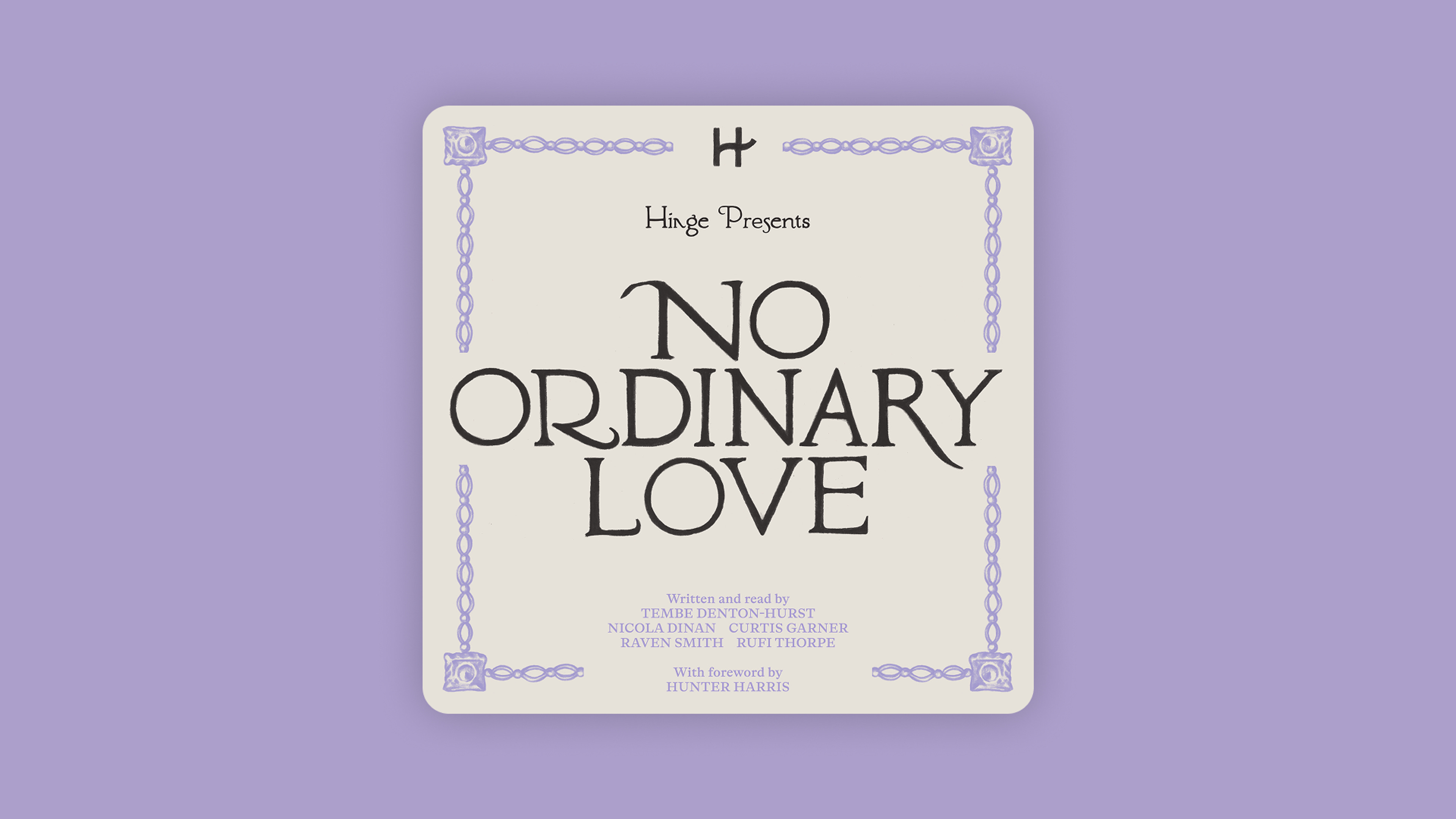
Each edition lets us explore a new literary medium, and also a new theme that feels relevant to dating culture at that moment—from the pressure to be perfect to the two sides of every love story. This year, we explored the emotional risk of actually telling someone how you feel.
Our job is to create an interesting framework inspired by dating culture, pair these real Hinge love stories with incredible creative voices and then give them space to bring relatable experiences to life. It’s what I love about literature and long-form storytelling—it asks you to bring your own imagination to it. When you’re reading or listening, you’re building some of that world yourself. You can see your own relationships, memories, or feelings inside someone else’s story. There’s something really intimate about that.
It also makes space for us to not shy away from the gritty, imperfect moments, the big emotions, or the messy middle. Those are usually the most interesting parts anyway. And hopefully, the more honestly we tell those stories, the more people can see themselves somewhere inside them, and feel encouraged as they navigate something similar.
The Orbit: What made an audiobook feel like the right next step for the project?
Sobiecki: We have been so curious about the audiobook space, especially as more and more people are reading books this way. With this being the third edition of No Ordinary Love, we were excited to take the leap. Gen Z’s love for romance literature isn’t slowing down, and audio gives people a new way to immerse themselves in these stories. We were also really drawn to how accessible audiobooks are—you can take the stories with you anywhere.
It was also important to us that daters get to experience some of the magic we feel collaborating with these authors. Hearing each of the authors tell the stories themselves, with all the emotional nuance they intended, really brings the work to life. And then the epilogues let you hear directly from the real couples behind the stories. It’s really special to hear an update from the couples in their own words, and how it brings you from imagination back into real life.
Lastly, it was important to us to honour the written medium too, so we published the stories on the No Ordinary Love Substack for readers who want to embrace the written word.
The authors read their stories; the real couples speak in the epilogues.
WHO GETS TO CHANGE THE BRIEF?
Hand the story of how you met your partner to a writer, and they might notice a detail you barely remember or make the awkward bit the whole point. Choosing the writer means choosing another person’s interpretation of something you lived through. Then comes the question of how far you let them take it.
The Orbit: How were the writers selected and how did you decide which author would tell each couple’s story?
Sobiecki: Love this question. It’s something that we’re really thoughtful about—curating the authors and couples is one of the most important parts of the entire project.
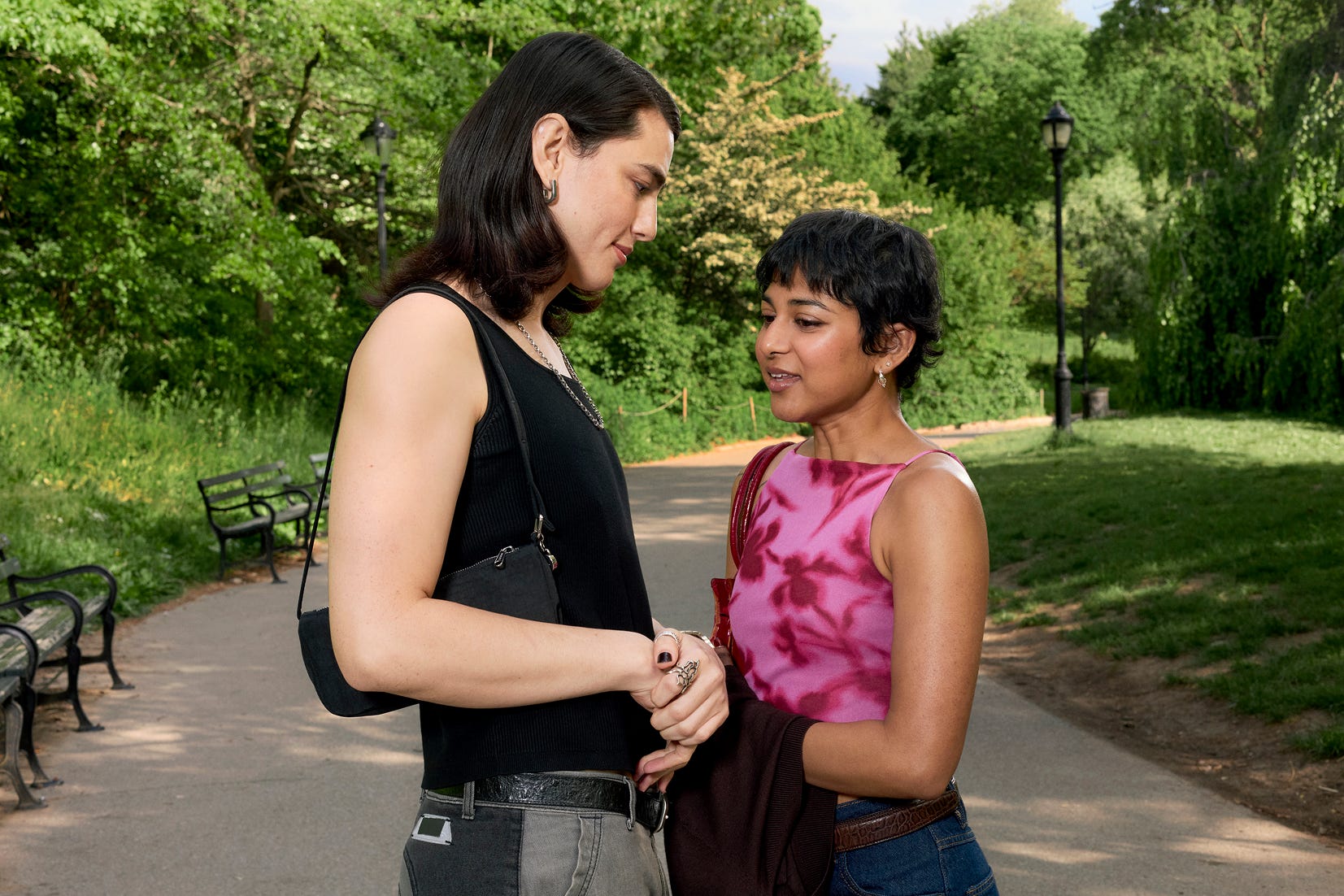
Knowing we wanted to explore emotional risk through dialogue, we looked for authors who aren’t afraid of really honest conversations in their work, and who explore modern relationships beyond the typical romantic tropes. This year, that very raw centre of gravity pulled us towards our amazing authors: Tembe Denton-Hurst, Nicola Dinan, Curtis Garner, Raven Smith and Rufi Thorpe.
Then we take a lot of care with the pairings to make them feel really intuitive and natural. We think about each author’s voice, personality and lived experience, and where we feel there could be real chemistry with a couple and their story. You want the couples to feel deeply safe and seen, because that’s where something unexpected can happen. It’s also when all those small, nuanced details that make their story uniquely theirs start to come through.


The Orbit: How did the collaboration between Hinge, Dazed Studio, the writers and the featured couples work in practice? How much freedom did the writers have in shaping the stories?
Sobiecki: We’ve worked with Dazed Studio across all three chapters of No Ordinary Love. It was really important to us to build this work with an editorial partner and Dazed understands the realness and rawness of culture and the Hinge brand. They’ve been incredible collaborators in that they operate as an extension of our team.
At Hinge, we’re also really excited by the idea of being someone’s first brand. We look outside the typical places for creative talent—working with authors, tattoo artists and this year even a harpsichordist to create the score for the audiobook. We bring people into the process early rather than handing them a brief to execute. The point is to make something together and let their point of view actually change the work.
That’s an easy thing to “say” when you bring someone on to collaborate, but actually embodying it requires an act of bravery from the brand. You can spend months carefully crafting an idea, bringing everyone together internally, and then creating a structure for the campaign. But once it’s in the hands of your collaborators, the real risk is being willing to break some of that structure.
You gain so much from letting go of creative rigidity, trusting the people you chose to work with, and really advocating for what their unique voice brings to the work.
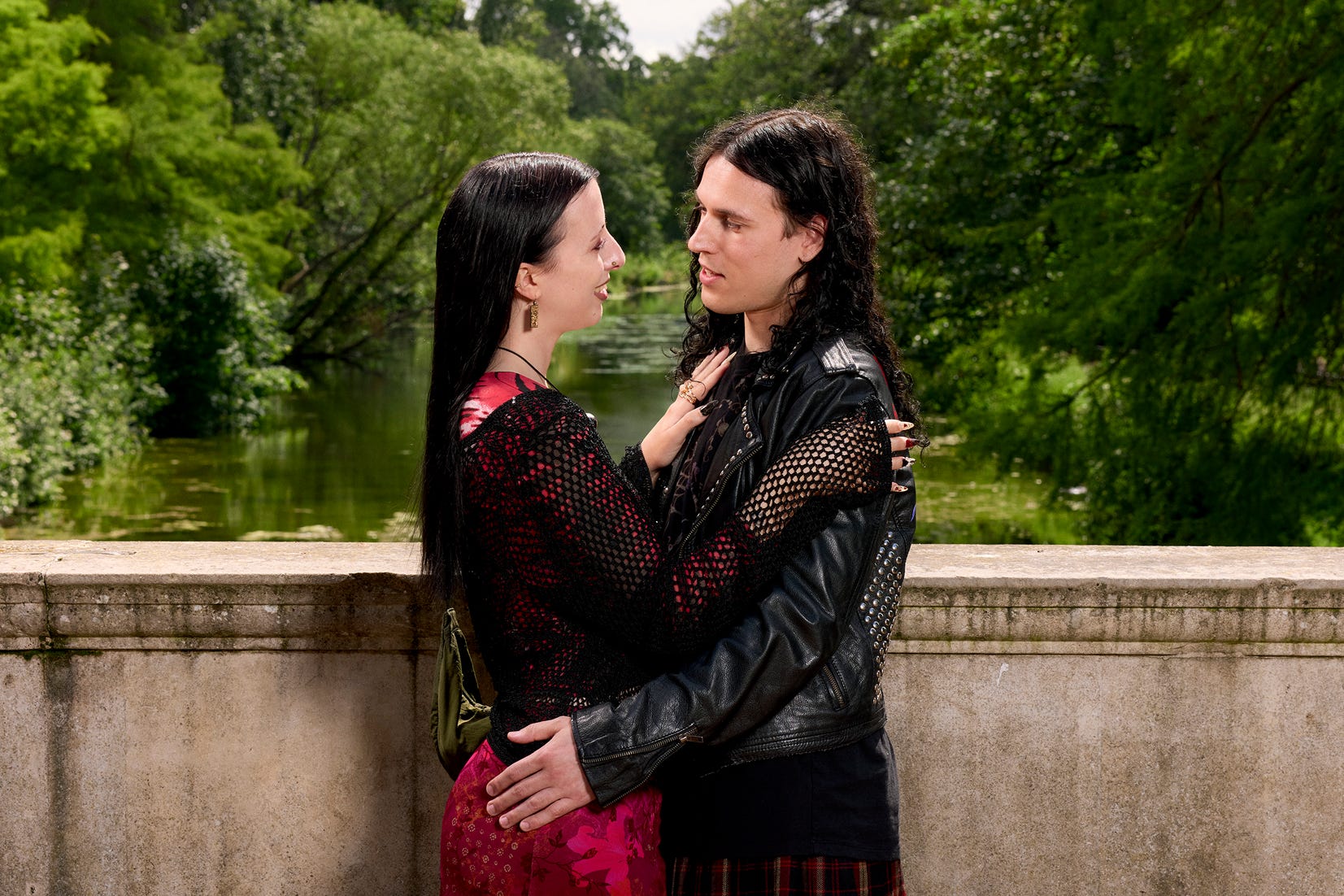
For example, Rufi Thorpe threw us a fun curveball: she wanted to tell Daniel and Roisin’s story from the perspective of Roisin’s cat. It completely broke the form of the stories in the series, but we trusted her.
And it became this magical, surreal, funny story that we never could have arrived at ourselves. Her fans were locked IN, sharing “this is amazing, weird, and wonderful—what a lucky couple!” When I come back to that story I always find myself connecting with something new, as Rufi said, it’s “like a kaleidoscope”.
KEEPING THE SWEAT IN
The trailers turn awkward conversations into theatre. Behind that exaggeration is a practical production question: how do you prepare real couples to revisit a private moment in front of a crew?
The Orbit: The new stories focus on the moment someone chooses honesty over “playing it cool.” How did you translate something so personal and emotionally messy into a campaign without making it feel too polished?
Sobiecki: I think the not-so-secret thing we channelled was restraint. We really trust the people in the work to be themselves. The magic comes from their unique voices, their personalities, how they show up and what they bring out of each other. Our job is really to create the environment where people feel safe enough to be honest, and then not polish away the nitty, gritty, relatable details that people can really connect with.
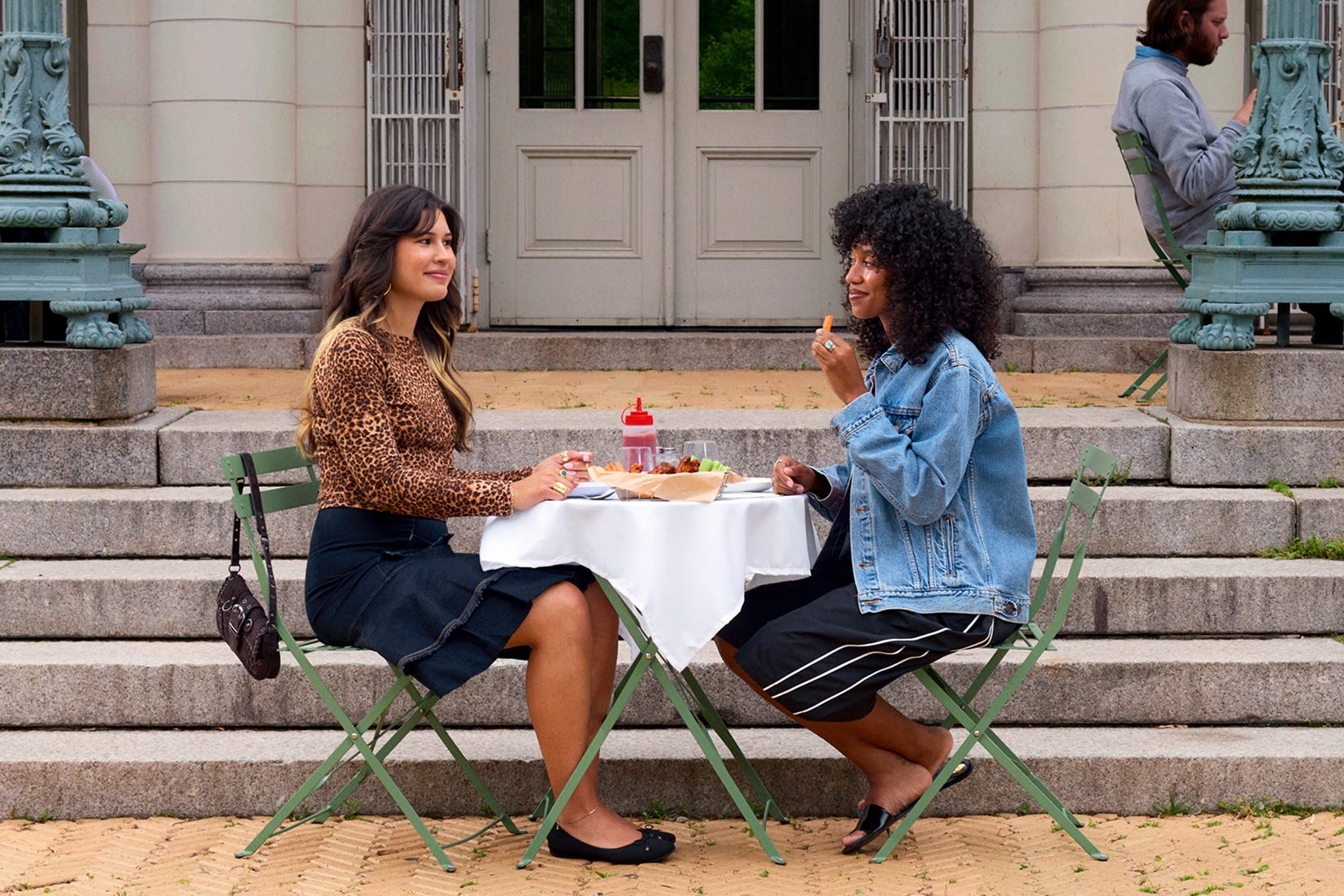
Our team takes on creating that environment as an exciting creative challenge in itself. Things like our “You’re on Set, Now What?” zine are a great example of that. It’s thinking about all the things around the creative that influence how people feel in the moment, like the exciting chaos of a photoshoot, or the newness of a recording studio. It’s our priority for the couples to feel emotionally safe, comfortable, and supported, and we’re so grateful for their courage and honesty as they bravely share their stories with the world.
We also give the couples real time with the authors, and make sure anyone we bring into the project understands that creating comfort and trust is a key part of the job. We spend time getting to know each other before we get to the work. In a funny way, it’s a little like dating. People feel the energy you bring into the room, and when they feel that openness and trust from us, they tend to give it back.
Then we also wanted to play into visceral visuals that connected back into those heightened emotions. With David Brandon Geeting, for example, we leaned into camp, humour and exaggeration to capture how enormous these feelings can feel in the moment. But the couples and the emotions underneath it are real. I think that contrast is what keeps it from ever feeling too polished.
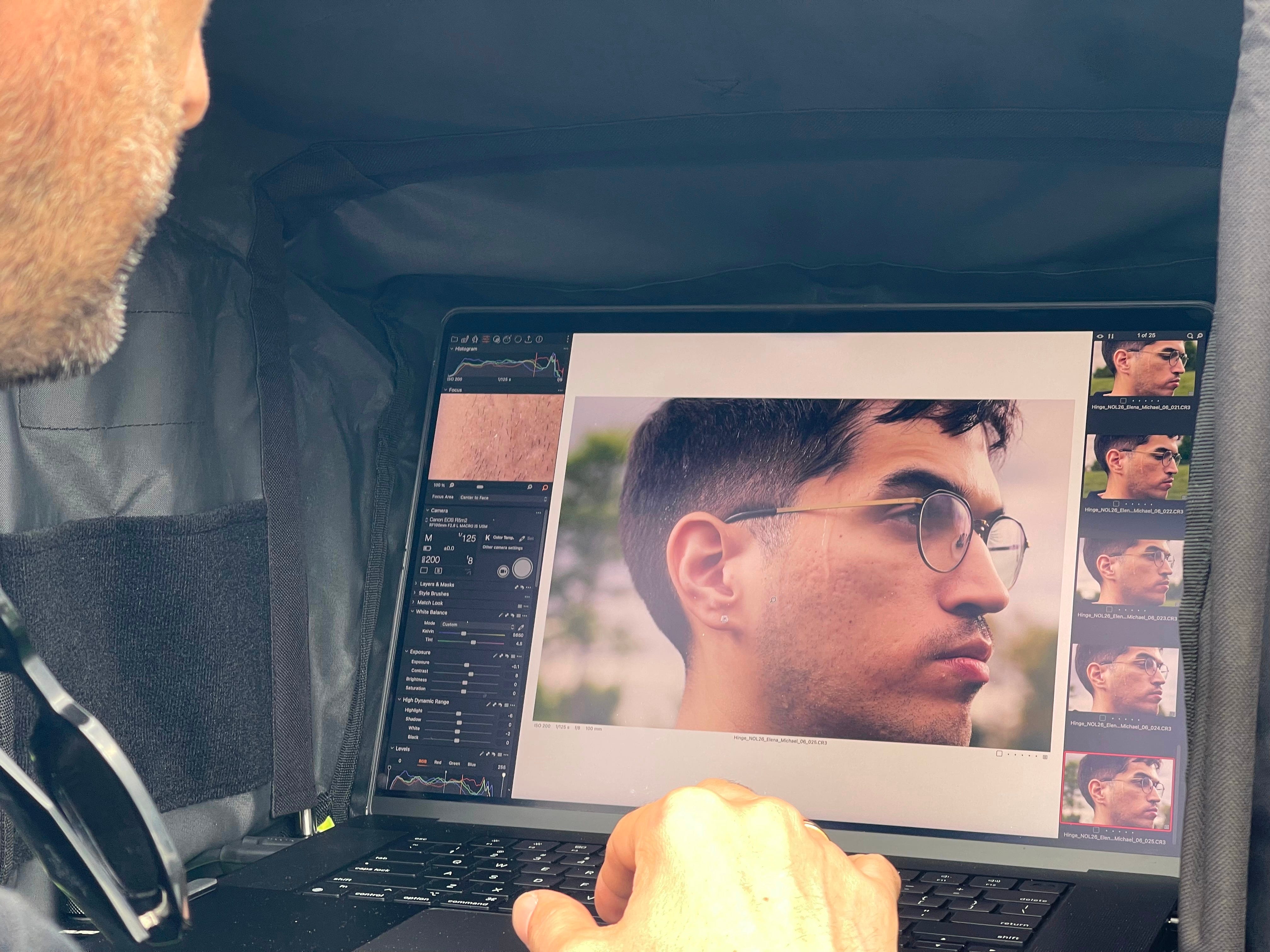
In the trailer for Raven Smith’s Thou Shalt Play It Cool, there’s a zoom-in on Michael with a big bead of sweat dripping down his temple, before he checks in on Elena’s feelings after he had opened up about having gone on a date with someone else. This hard, honest moment at the start of their relationship evolved into a conversation about exclusivity and brought the two of them closer.
The Orbit: Hinge is a dating app, but this project moves into publishing and cultural storytelling. What can a format like this communicate that a more conventional campaign cannot?
Sobiecki: For Hinge, the biggest difference is our ambition to connect with audiences where they are, and offer them something to feel seen in, and encouraged by. Great campaigns can be incredibly direct—there’s a clear message and a clear takeaway. With No Ordinary Love, we wanted to create something people could immerse themselves in, and discover unexpected moments or experiences they connect with from their own dating lives.
That’s what I love about the editorial nature of the project. It gives the work dimension. You can come to one of these stories and connect with the humour, or the anxiety, or a tiny moment between two people that reminds you of something in your own life. We don’t have to tell you exactly what to take away from it.
Dating is like that too. We’re all these multifaceted people, constantly discovering new things about ourselves, changing what we’re interested in, and figuring out what we’re looking for. I think the work should have enough depth to reflect that.
And it also lets us be in conversation with culture rather than just commenting on it. The work is directly inspired by what we’re hearing from daters. In conversations with Gen Z, we’ve heard how hard it can feel to share how you really feel and open up to someone you’re dating. A lot of people hold back because they’re afraid of being judged or coming off as “cringe.” At the same time, we’re also seeing people on social media increasingly mention that they’re looking for someone “chalant,” who isn’t afraid to openly share their big feelings. Hinge data from 2025 even found that search interest for “chalant” increased 217 percent in 2025.
This year, we really wanted to highlight the courage it takes to tell someone how you really feel and how those moments—as nerve-wracking as they might be—are so important to building something real. We want to celebrate those brave moments, so others feel seen and consider bravely opening up in their own dating lives, too—no matter what that looks like to them.

A BRAND IN YOUR INBOX?
We found No Ordinary Love in the same place we publish The Orbit. Substack makes that encounter feel different from passing a poster: an author’s story can arrive beside the newsletters you chose to follow. It also raises a fair question for any brand publishing there. What does it bring to the space beyond its own campaign?
The Orbit: Why did Substack feel like the right home for the written side of the project?
Sobiecki: Substack offers something special today: genuine, trusted relationships between writers and readers. It’s the perfect environment for deeper conversations about dating and relationships.
I think about a brand entering a space almost like the “leave no trace” principle in nature. You have to respect the ecosystem you’re stepping into, understand why people value it, and be really conscious of how you’re interacting in the space.
It’s also a way for us to support the creative economy rather than just borrow from it. Many of the authors we work with already have their own communities on Substack, so when you discover someone through No Ordinary Love, you can go directly into their page, their writing, and their world. I really love that there’s no dead end—the campaign can become a doorway into someone else’s creative practice.
This is why we love to partner with authors like Hunter Harris, Nicola Dinan, and Tembe Denton-Hurst who regularly publish their original writing on the platform. We also collaborate with other Substack writers like Julianna Salguero of Keepsake and Hannah Connolly of Notes On, to share their own stories taking on brave conversations in their relationships and inspire their readers to feel a little more confident taking emotional risks of their own.


The Orbit: Do you see No Ordinary Love continuing to grow into other formats or future editions?
Sobiecki: Anything is possible! We are always eager to grow and be on this journey with our daters. Excited to see where the wind takes us.
Our Take
It's no surprise Hinge wants to advertise five matches that successfully turned into real relationships. But the people actually living through those early dates didn’t have a guaranteed happy ending. Handing these lived experiences over to writers blows up the neat "rest is history" narrative. It exposes the misunderstood texts, the weird admissions, and the massive emotional gambles it takes to actually connect. That’s the creative swing we appreciate in No Ordinary Love. Hinge made the initial introduction, but the stories dig into the messy human work the app couldn't do for them.
Catch you next time,
Sarah



